HW: You've spent much of your working life making public space in dense cities. Where does that pull come from, and why does the square / public realm matter as much to you as the buildings around it?
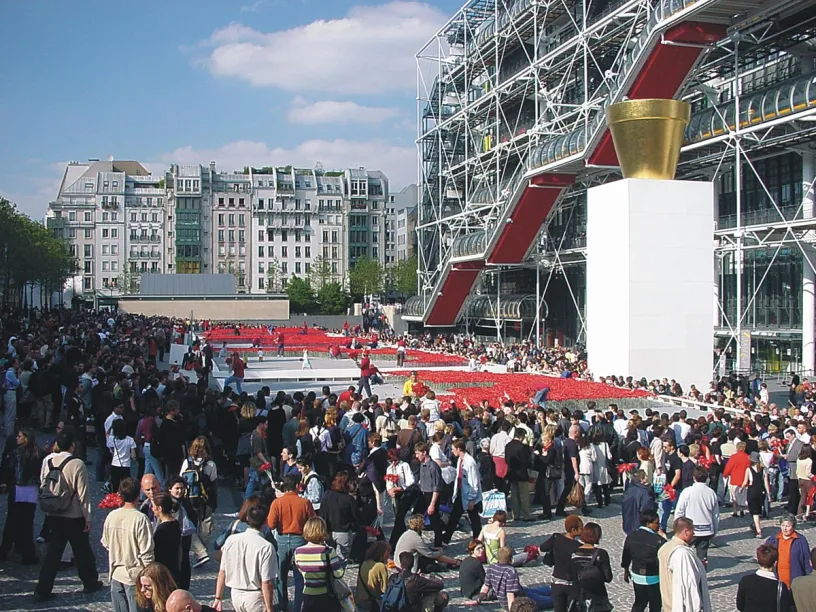
JM: I think it's fair to say it all started with the Centre Pompidou in Paris, which of course was designed and constructed well before my time. The public piazza in front of it is such an important space, and it made a big impact on my first visit to Paris. It's part of our DNA to design public spaces for people, both outside and inside.
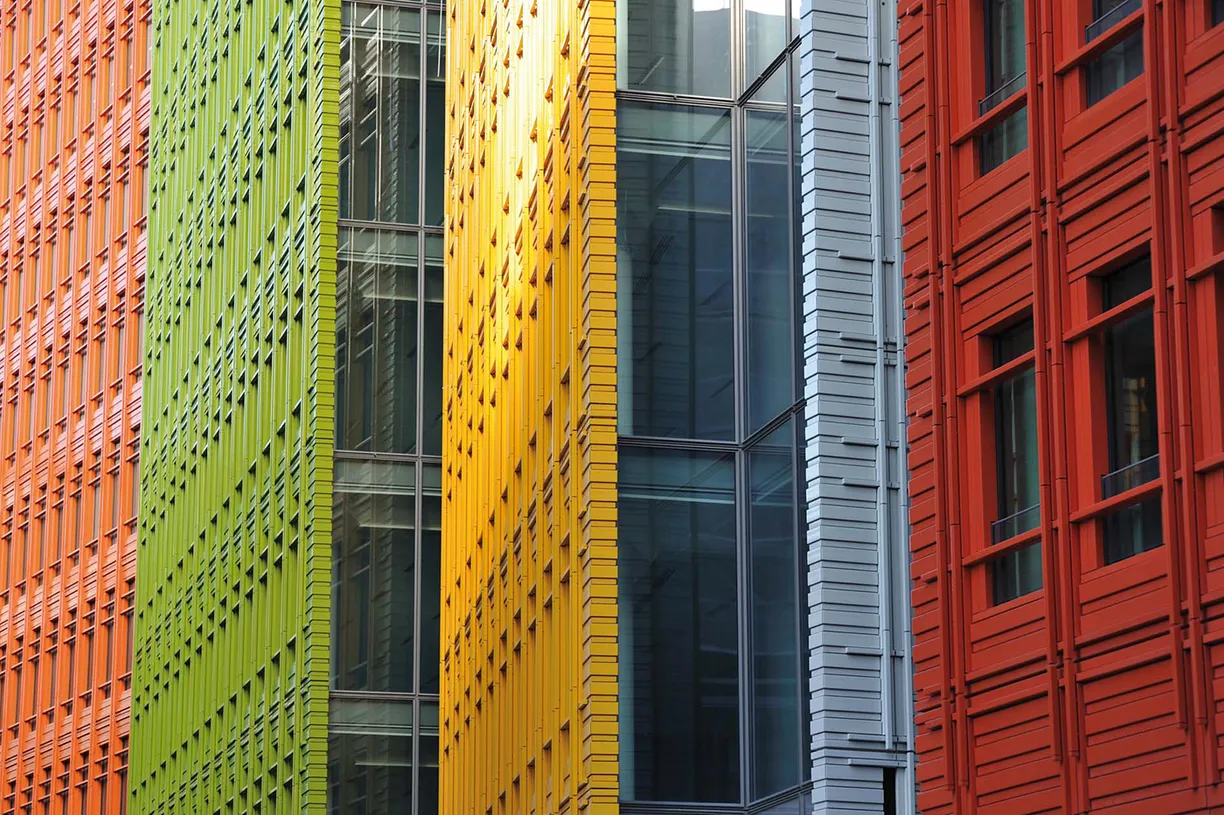
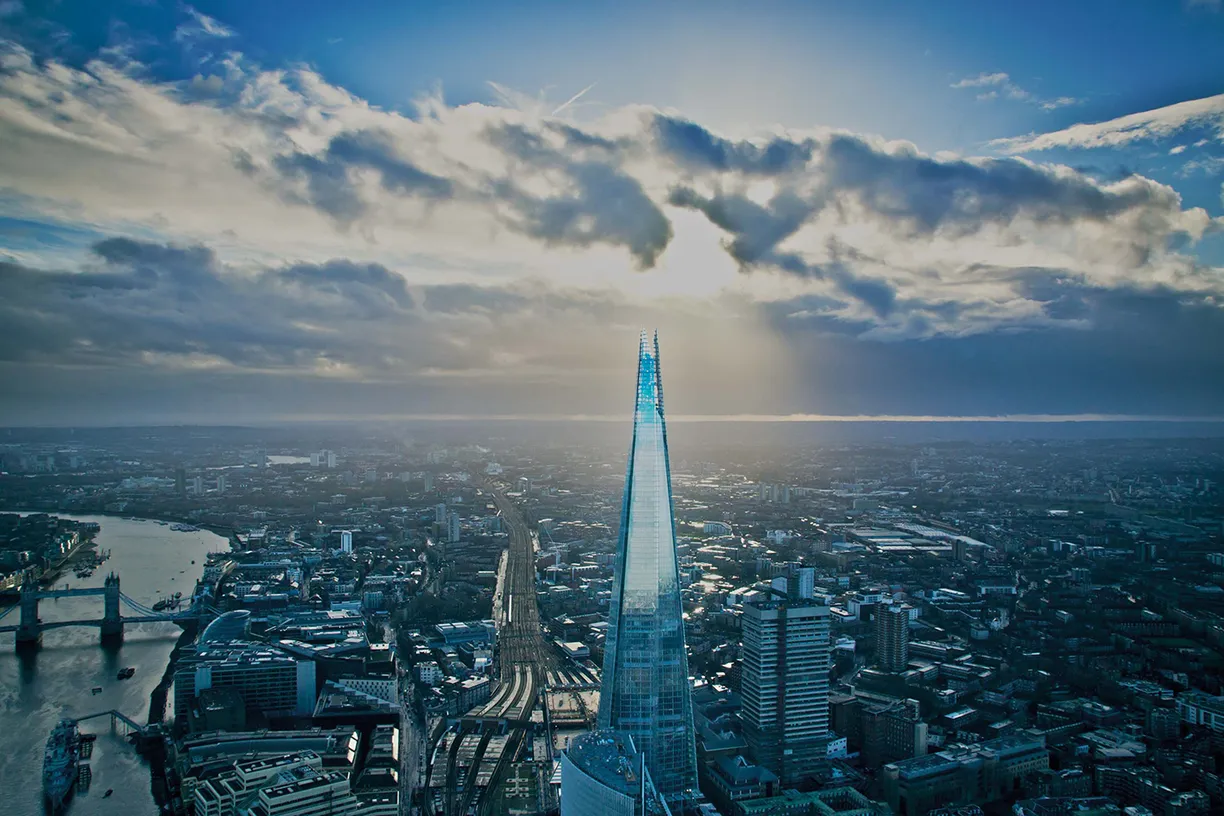
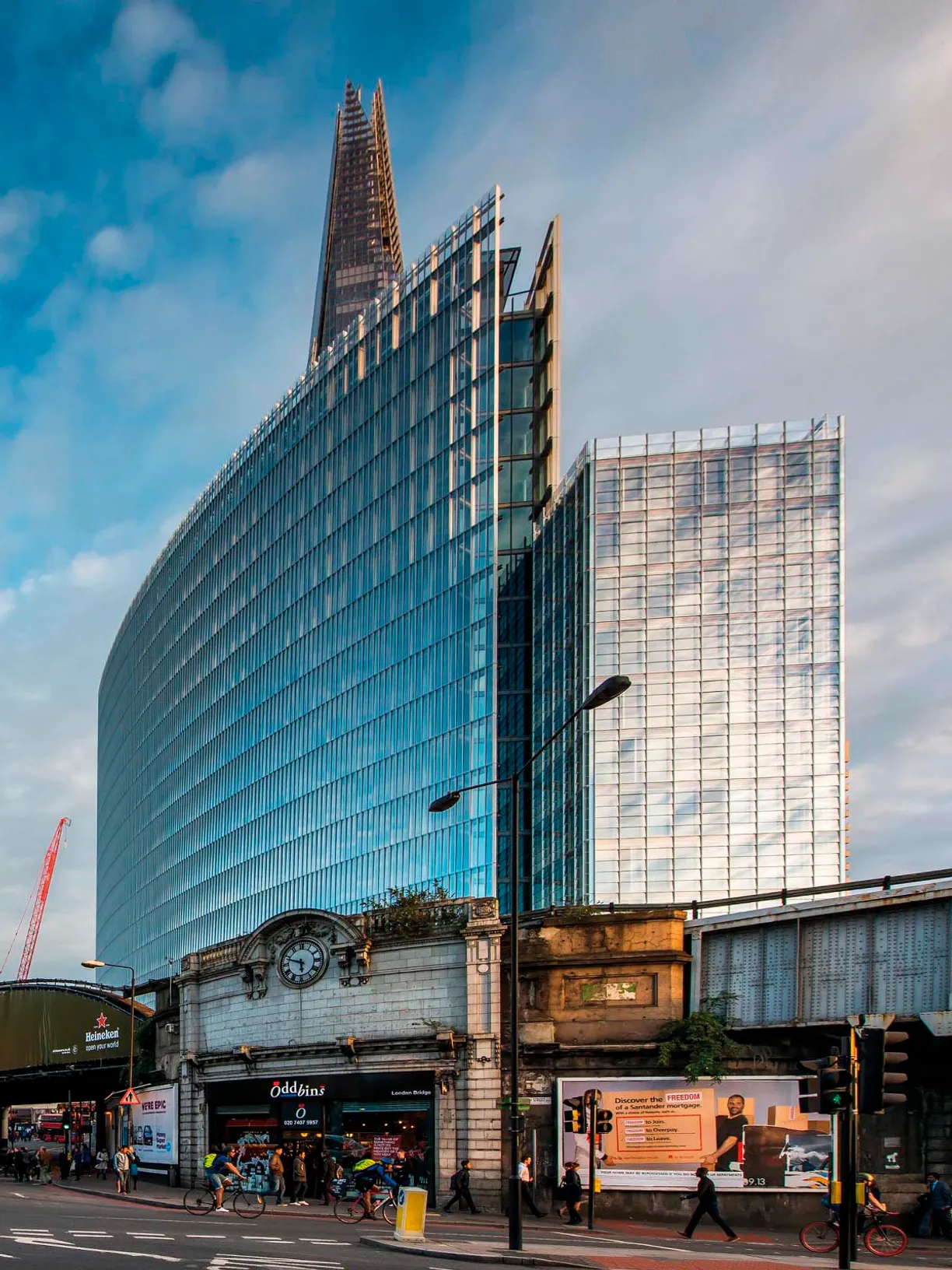
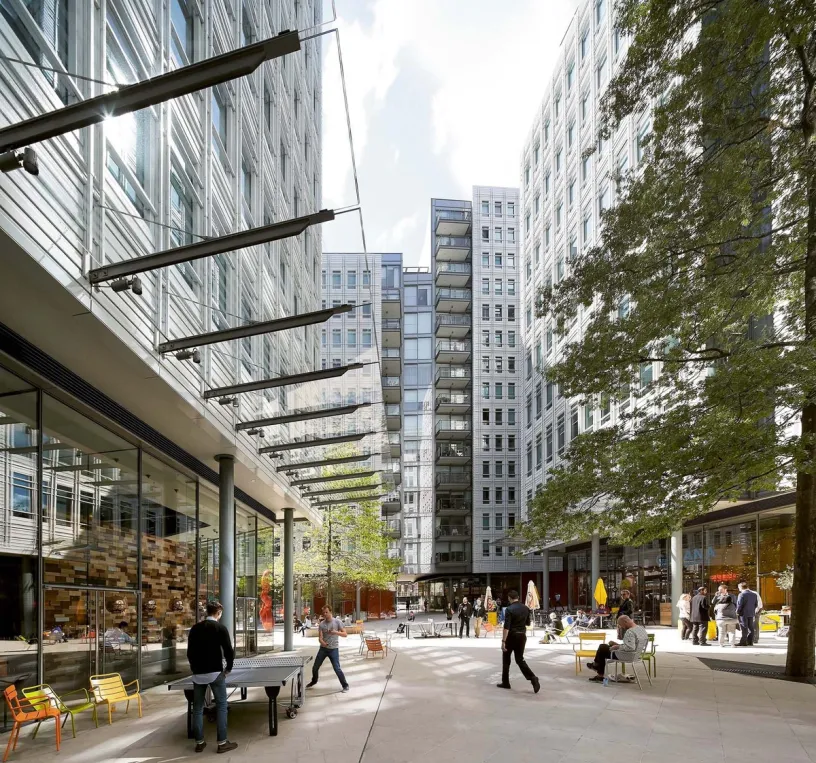
In the context of London, it's interesting: we've only done commercial projects here, which is surprising, but that's exactly what has happened over the last quarter century – Central St Giles, Shard Quarter, and Paddington Square. All three projects are architecturally quite different from one another, but they have one thing in common: the focus on creating a public realm. London is a very different place from Paris, a city principally built by merchants, where town planning had its own rules, and the private sector has always had a big influence on how the city has been shaped, including its public spaces. Large private projects in London should inevitably be ambitious about improving public areas and amenities. In planning terms, this is encouraged through the famous Section 106 - a very interesting legislation that supports improvements to the public realm within private projects. That's exactly what we have done, and I think we have always strived to push the boundaries as far as our clients would accept.
HW: For Paddington, you've talked about wanting the new square and the Victorian station to evoke the same emotion despite the centuries between them. How do you design a new public space so it converses with a 19th-century train shed?
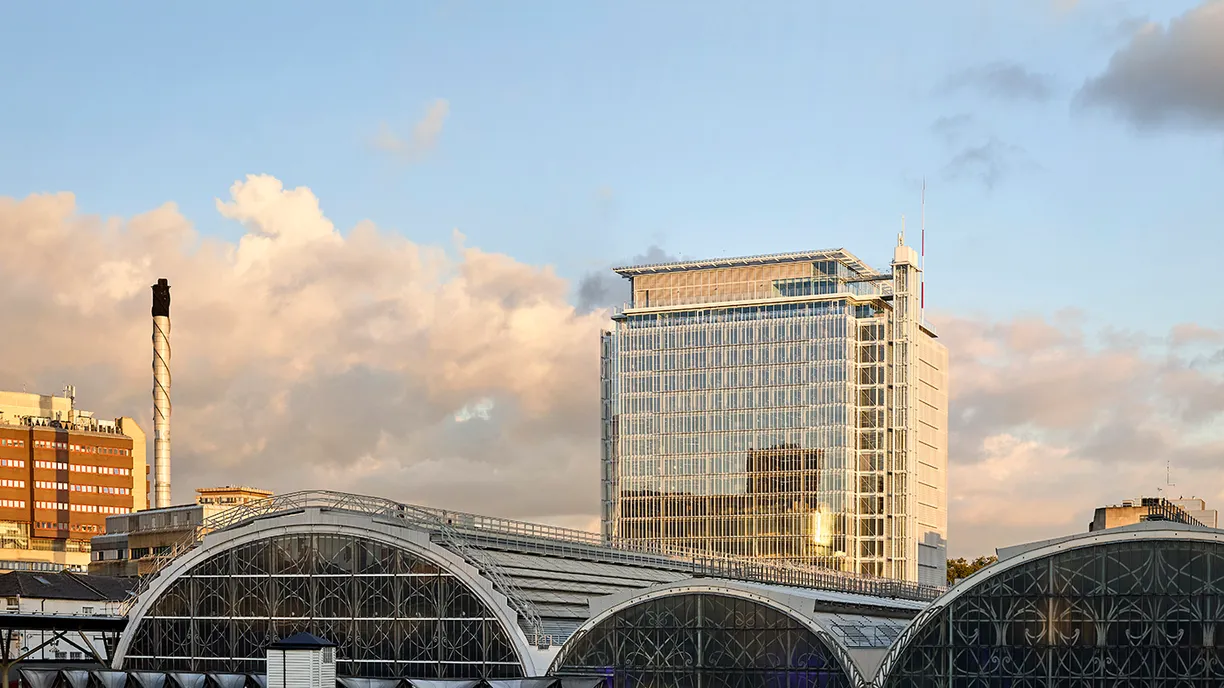
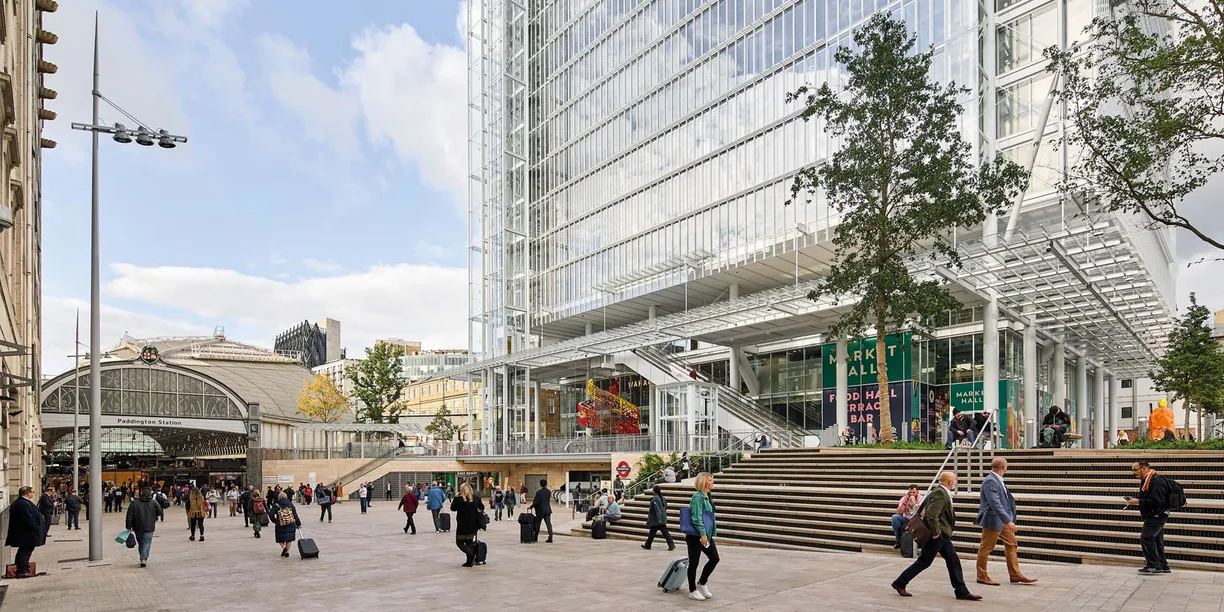
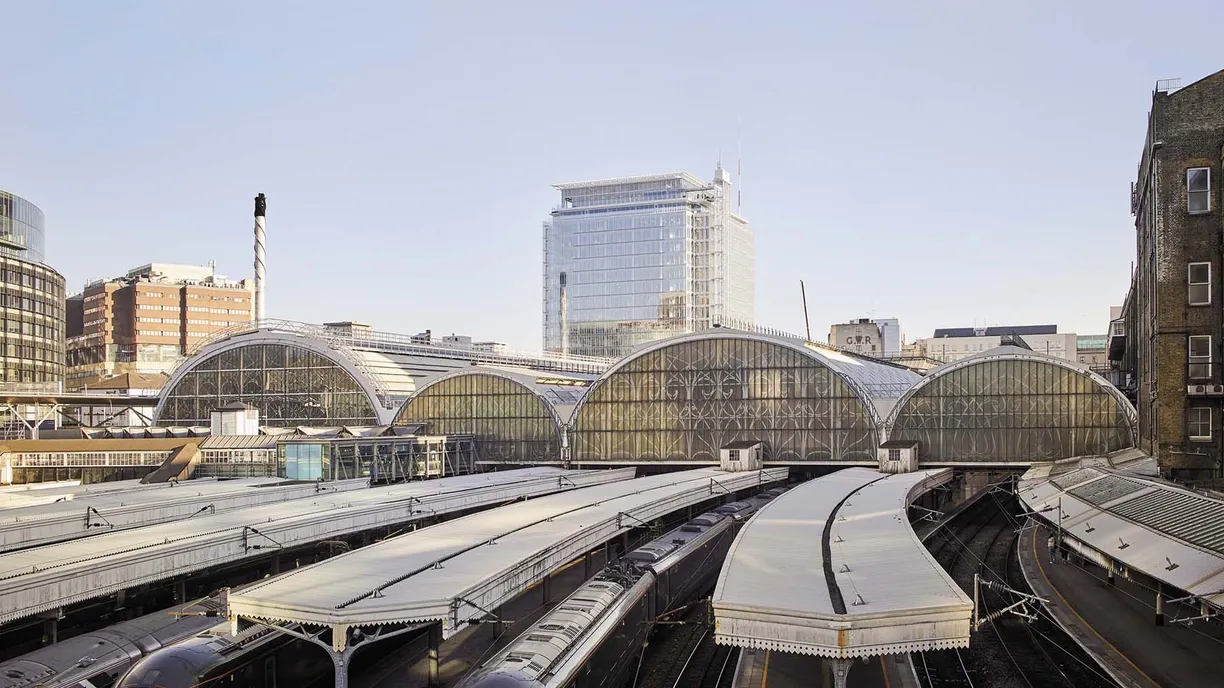
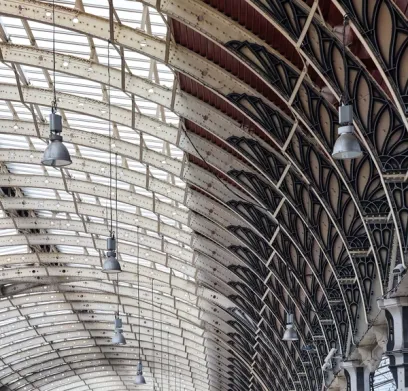
JM: Paddington Station is one of London's leading Victorian structures designed by the legendary engineer and entrepreneur Isambard Kingdom Brunel (and what a name!), emblematic of that period, nearly half a century before Gustave Eiffel made his mark in Paris. It's a beautiful space, with four parallel vaults delicately crafted in a lace-like structure that allows natural daylight onto the platforms. However, the pragmatic genius never solved the problem of the station's entrance. For over a century it was an odd, narrow ramp leading to its main entrance, tucked next to a large hotel structure occupying the whole frontage of the station, a typical commercial development solution of its time.
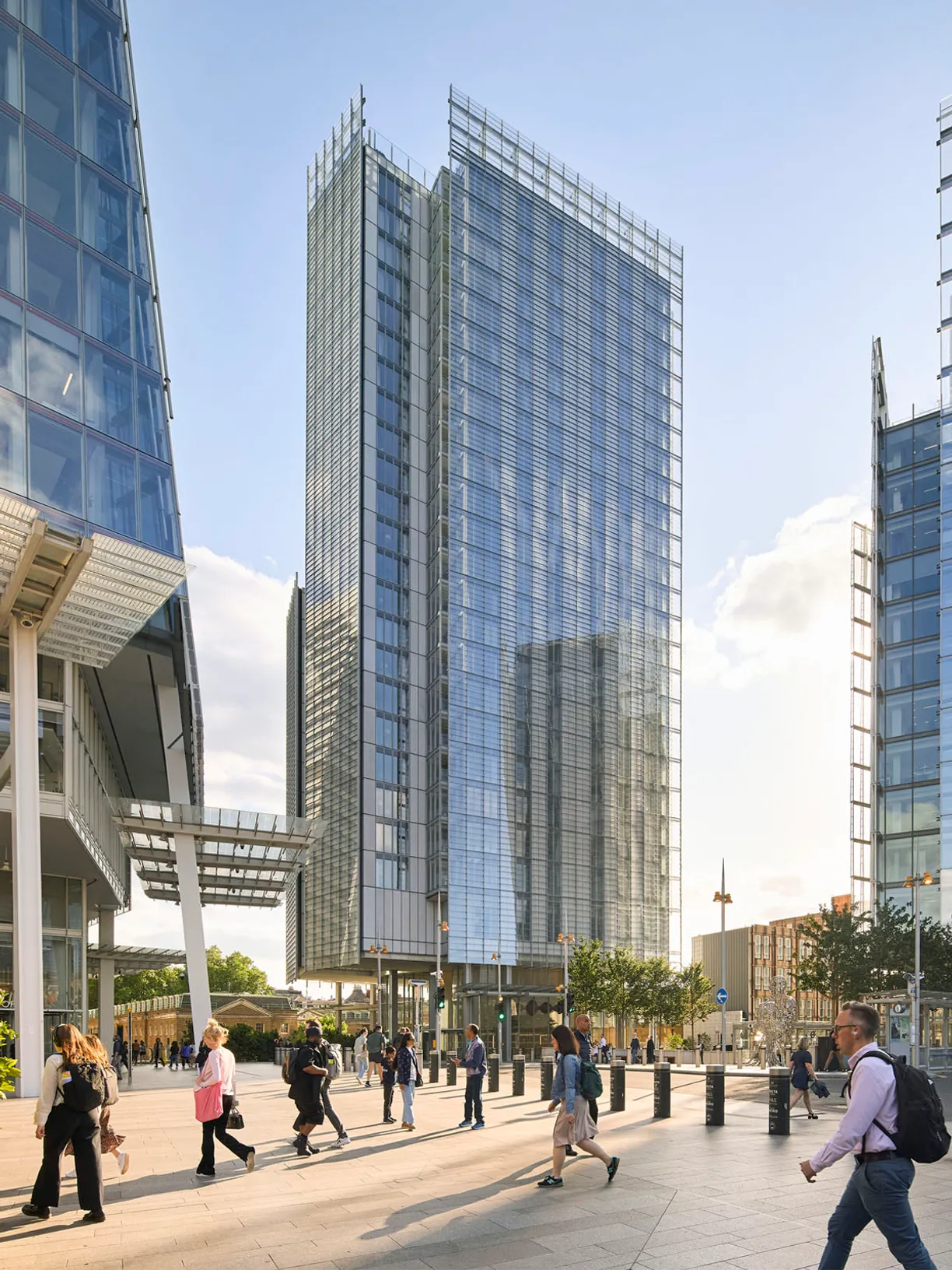
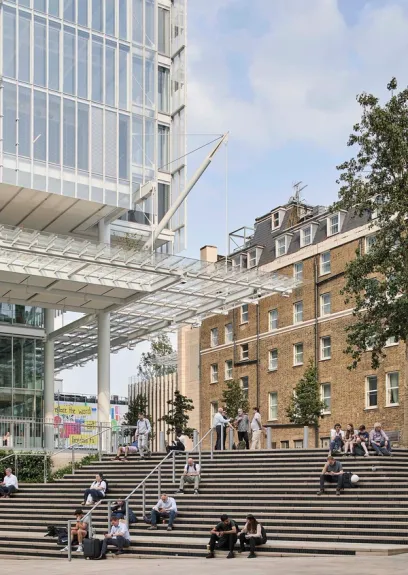
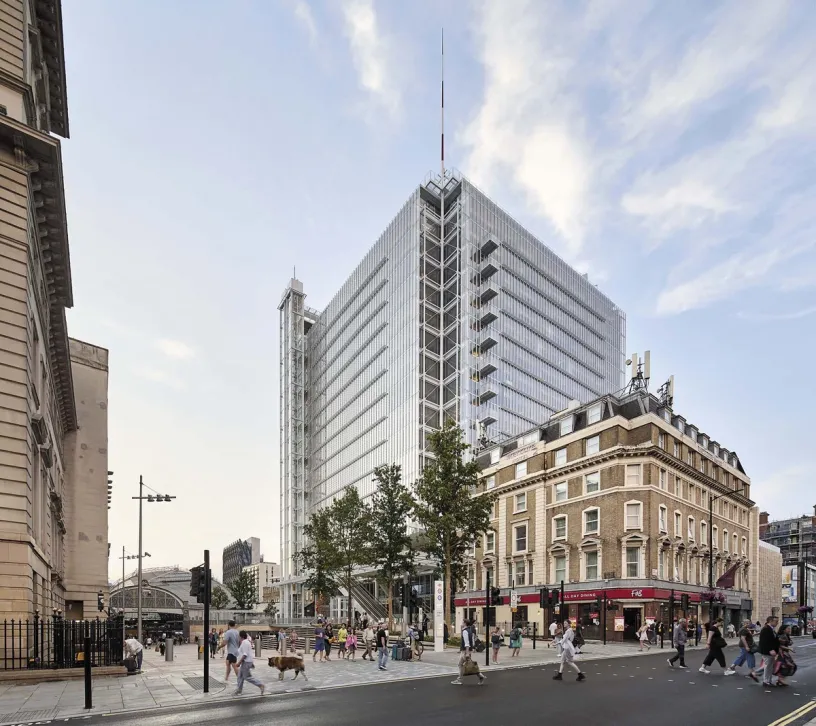
When the former Royal Mail sorting office next door was bought by our client, it gave us the perfect opportunity to solve the problem - diverting London Street and routing it around behind the site, which finally made it possible to create a generous piazza. The lower part of the piazza sits at the same level as the station concourse, leading straight through to the station. The architectural expression and detailing of the new building, which stands at a 90-degree angle to the station entrance, bordering the piazza opposite the GWR Hotel building, is what evokes the dialogue, despite being constructed centuries apart.
HW: The art here isn't a single centrepiece — it's a curated programme, run by Lacuna, spread across the site. What can that kind of art do for a public space that architecture on its own cannot?
JM: First, I should mention that Lacuna curated and developed the entire art program. In the past, this task was too often left to the architect or the client, and that's rarely successful. It's an entirely different discipline, and it was wonderful working with them. That said, we were very much involved in the selection process for the artists and artworks, and we felt the dialogue between the art, the public space and the architecture was crucial. Art and architecture are cousins, but each does its own job. Art can bring emotion and a sense of curiosity to a public space in a different way. Together, they help create a destination people want to visit. Art and architecture, done well, can be complementary - and the result is greater than the sum of its parts.
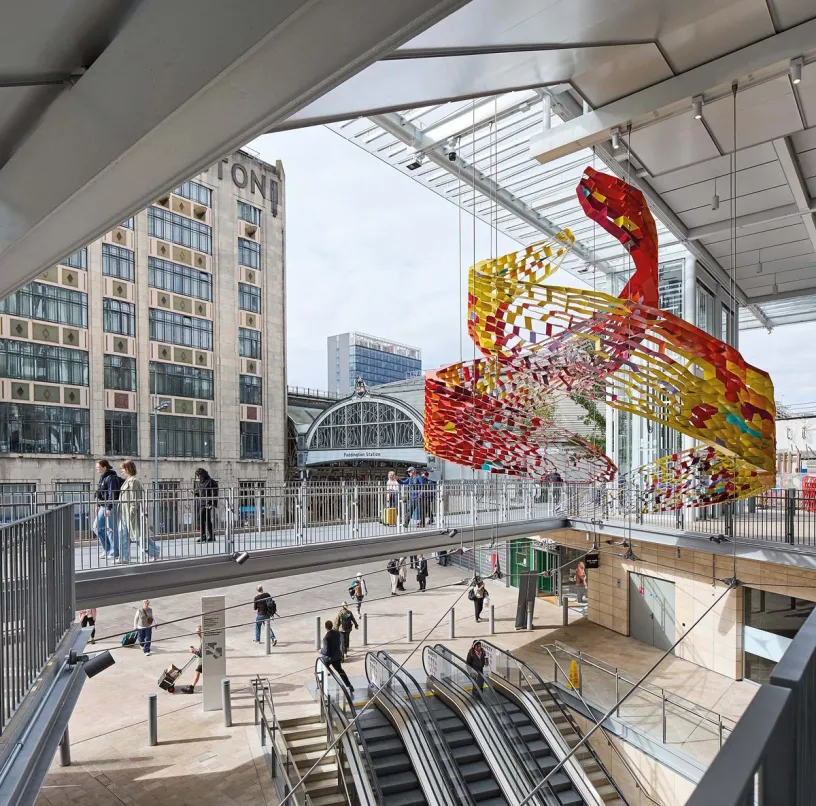
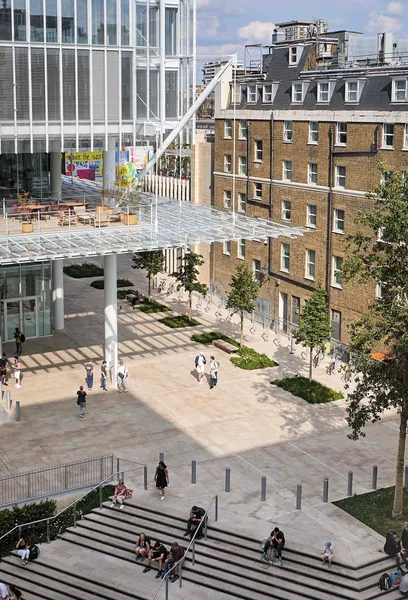
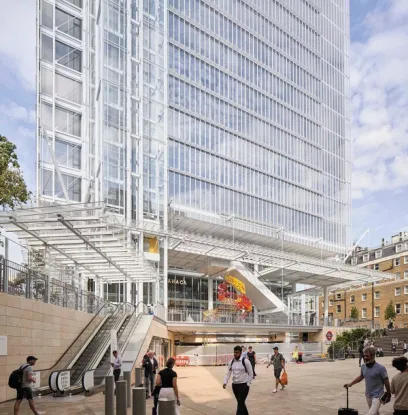
HW: A square only succeeds if people use it. What are the small things — shade, seating, edges, routes — that decide whether a space comes alive or stays empty?
JM: In a way, everybody instinctively knows what makes a good public space, but it’s not always obvious for designers to fully grasp the art of creating one. There are always so many parameters in a complex urban setting that can distract you from that goal. I think we've learned our lessons over time, and to be honest, Paddington Square comes out on top.
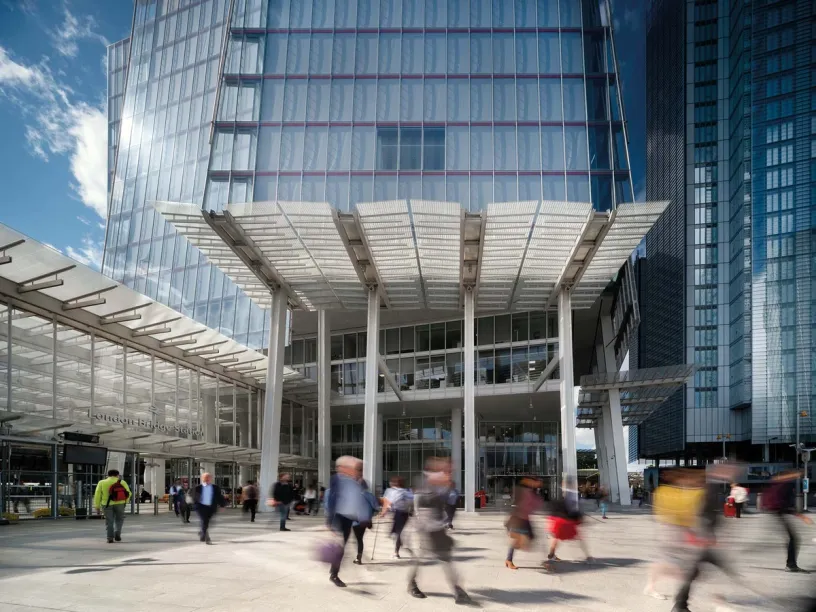
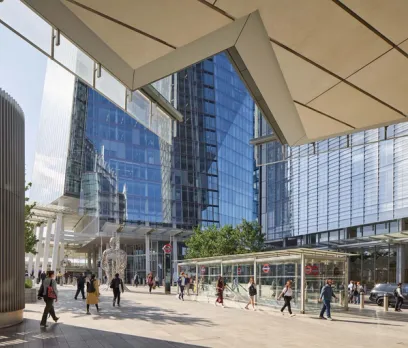
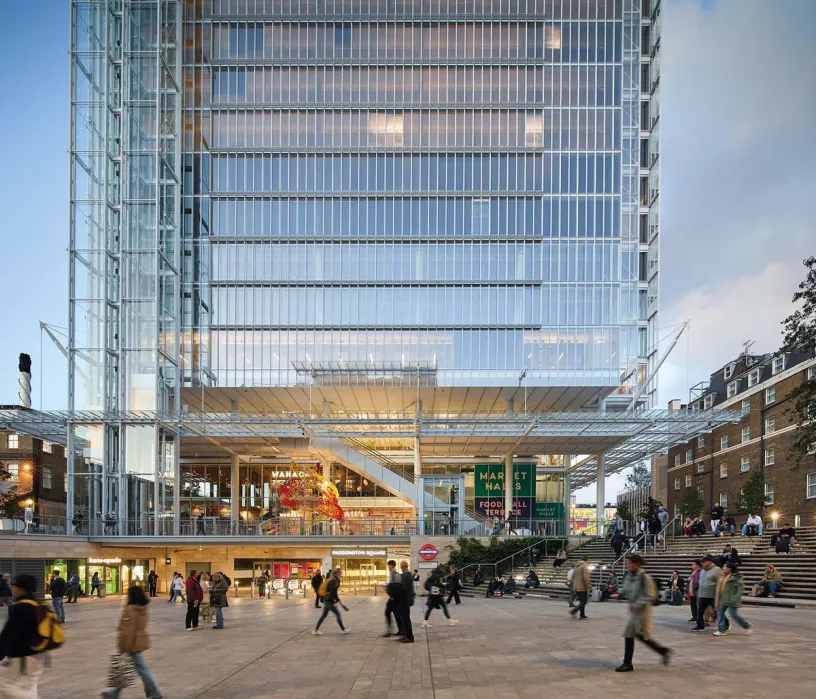
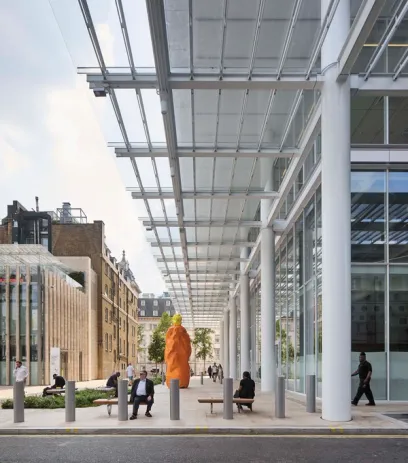
First, it’s a busy, bustling area, with the railway and Underground stations, a hospital, hotels, and retail. The orientation is perfect - even on winter days, you get direct sunlight. Traffic is only present on Praed Street, and a little on Tanner Lane behind the Square, but it doesn't overtake the space. There are two levels, which allow a separation of pedestrian speed - one for rushing to catch a train, and one for sitting down and relaxing. The existing adjacent buildings add to the composition of the square and its architectural variety. They have a nice urban scale, and in particular, the architecture of the original GWR Hotel façade comes to life. There isn't a huge number of green spaces and trees, but enough to enhance the public space and add to the sense of feeling welcome and comfortable. And then, last but not least, there's the generous setback of the ground floor façade of the Paddington Square building itself, with active retail frontage and outdoor seating. The glazed canopy and the light, lacy façade hovering above add to the quality of the space and the sense of layering and lightness.
HW: When you return to a finished square a few years on, what tells you it is working?
CB: You really have to look at the people using it, see the space at different times of day, and preferably in different seasons, to get the real picture. You can't judge the space solely through the eyes of an architect. You have to imagine it as an occasional tourist, commuter, and local resident, old and young.