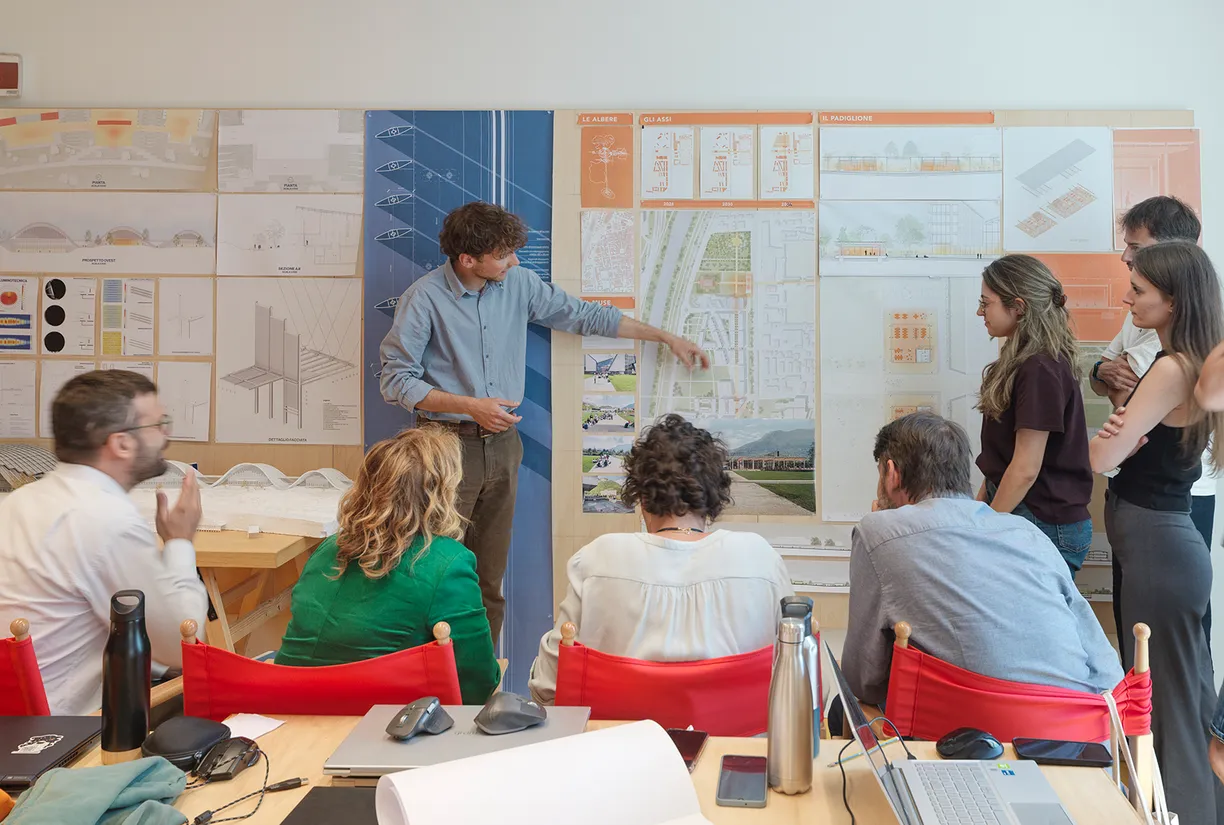
In 2022, the Renzo Piano Foundation and the Politecnico di Milano established the Laboratorio Arte del Costruire, a study programme with a minimum duration of five academic years. Its purpose is to document, preserve and pass on the experience of Renzo Piano and his collaborators, and to engage younger generations through participation, dialogue and critical reflection.
Within this framework, Renzo Piano teaches as a distinguished lecturer, though in his own way: less through formal lectures than through stories, personal recollections and conversation. Together with long-standing collaborators, clients and friends, he offers students a rare chance to see architectural practice at first hand.
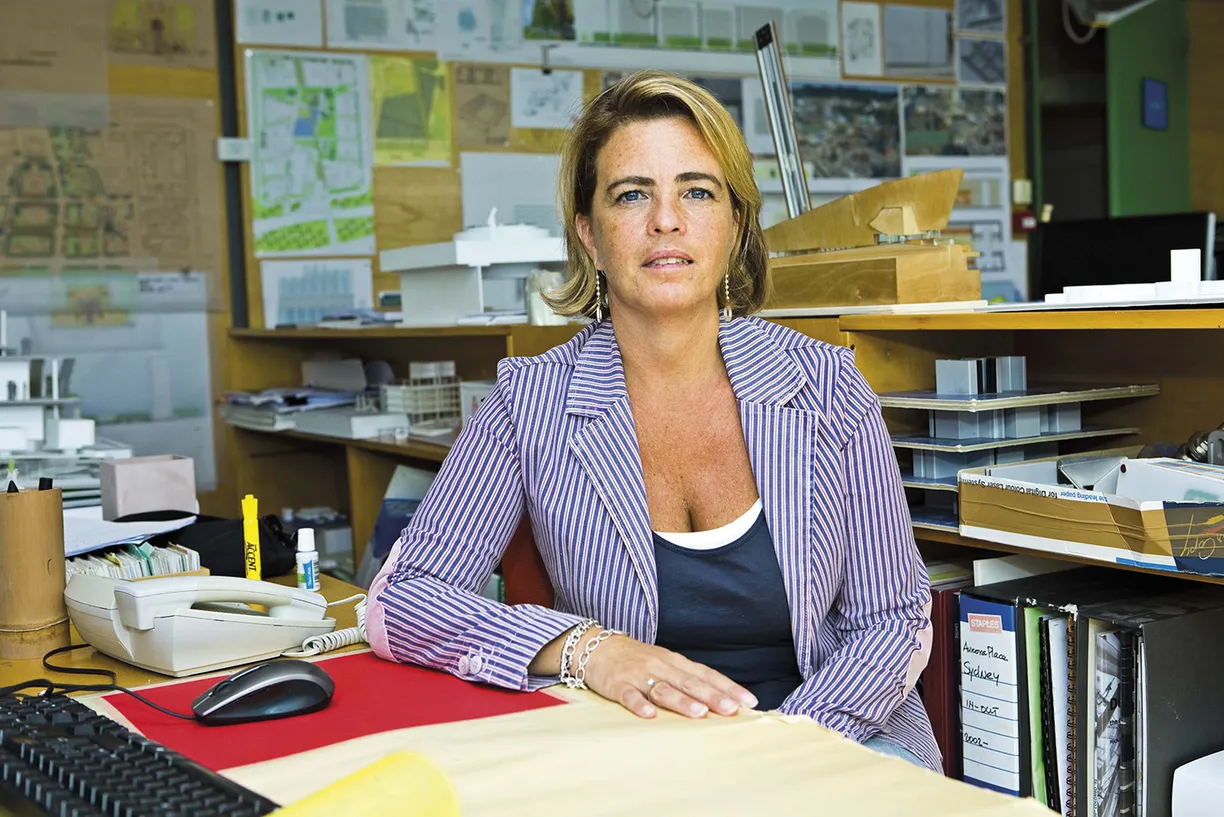
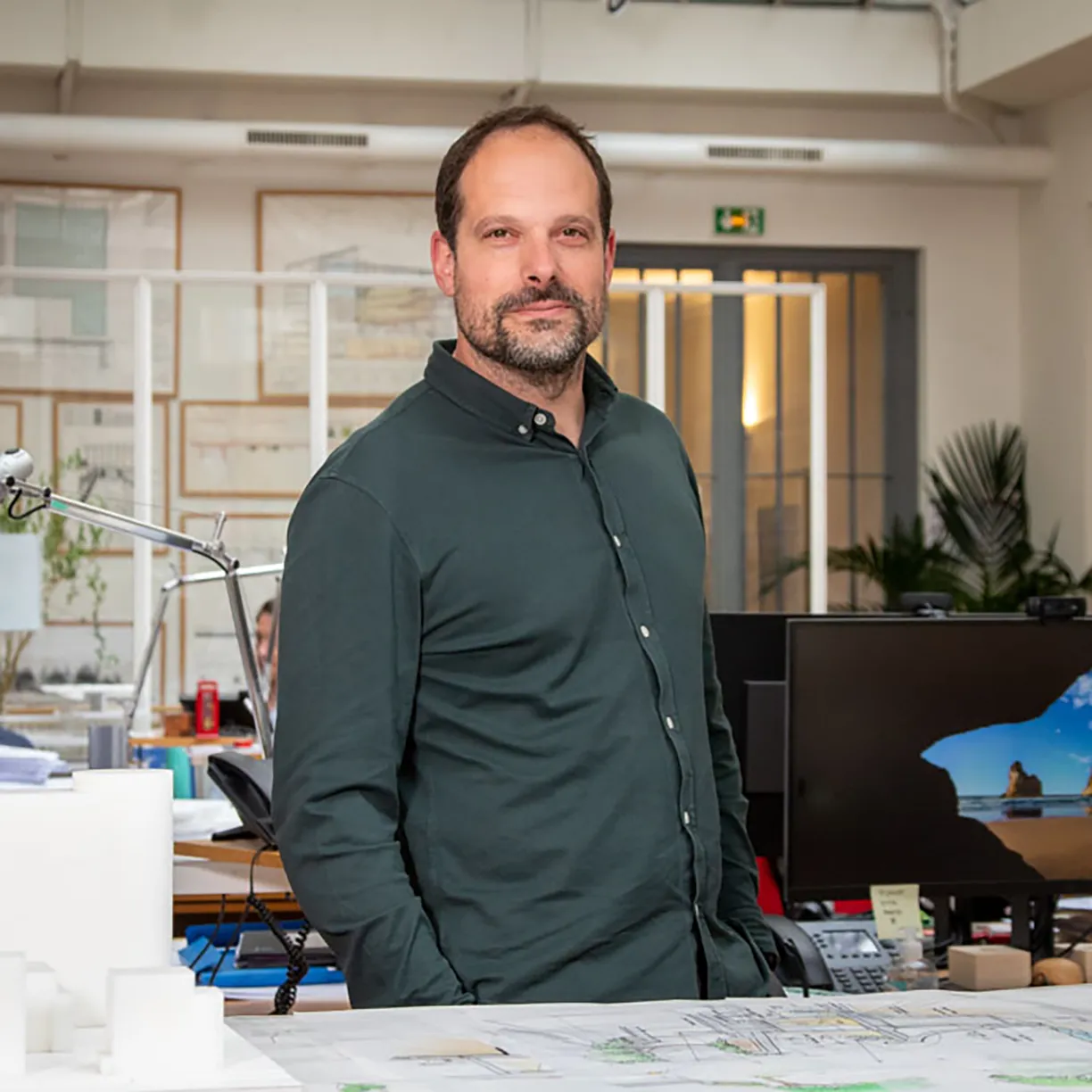
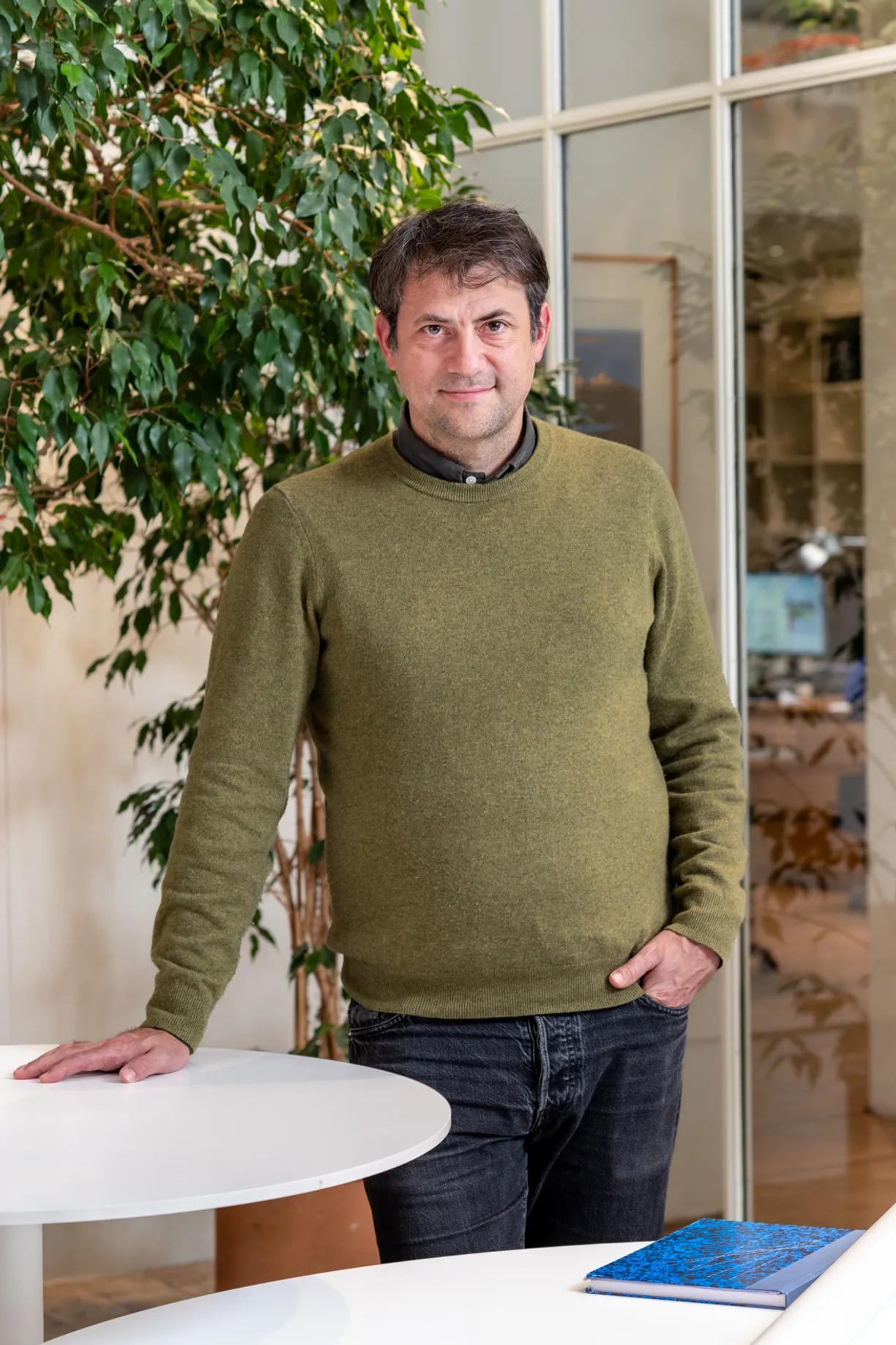
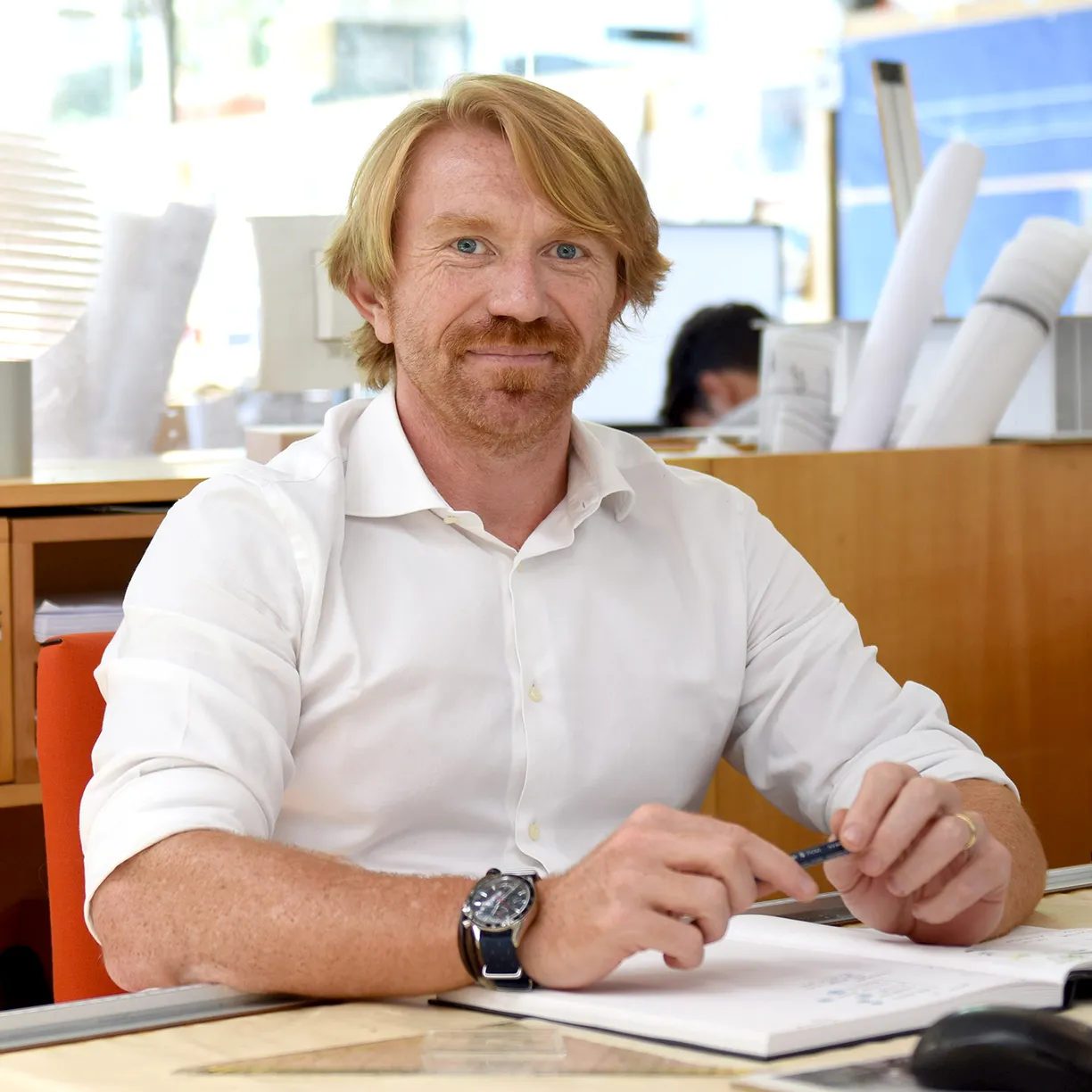
During the 2025 to 2026 academic year, partners from the Renzo Piano Building Workshop offices in Genoa and Paris played an active role in the programme. Elisabetta Trezzani, Luigi Priano, Daniele Franceschin and Albert Giralt worked closely with the students, providing continuous guidance, sharing their professional experience and staying with them across the year.
At the heart of the course is the critical analysis of a selection of projects designed by the Renzo Piano Building Workshop. Students are encouraged to examine these works with fresh eyes, questioning design choices, identifying possible shortcomings and proposing alternatives. In doing so, they reflect on how changes in society, environmental awareness, culture and technology over the past sixty years have reshaped the way architecture is conceived and built.
Renzo Piano also draws on his own work, inviting the partners and key figures who contributed to these projects to speak. Some sessions are dedicated to what he calls cross-disciplinary encounters: conversations with leading figures from culture, science, politics, civil society and business. These exchanges highlight the importance of intellectual openness, curiosity and attentive listening, encouraging students to see architecture as a discipline that constantly balances technical expertise, ethical responsibility and poetic vision.
The design proposals developed by the students are expected to be not only ambitious and imaginative, but also realistically buildable, reflecting the balance in architecture between imagination and construction.